Price: $26.99 - $14.25
(as of Nov 22, 2025 15:19:52 UTC – Details)
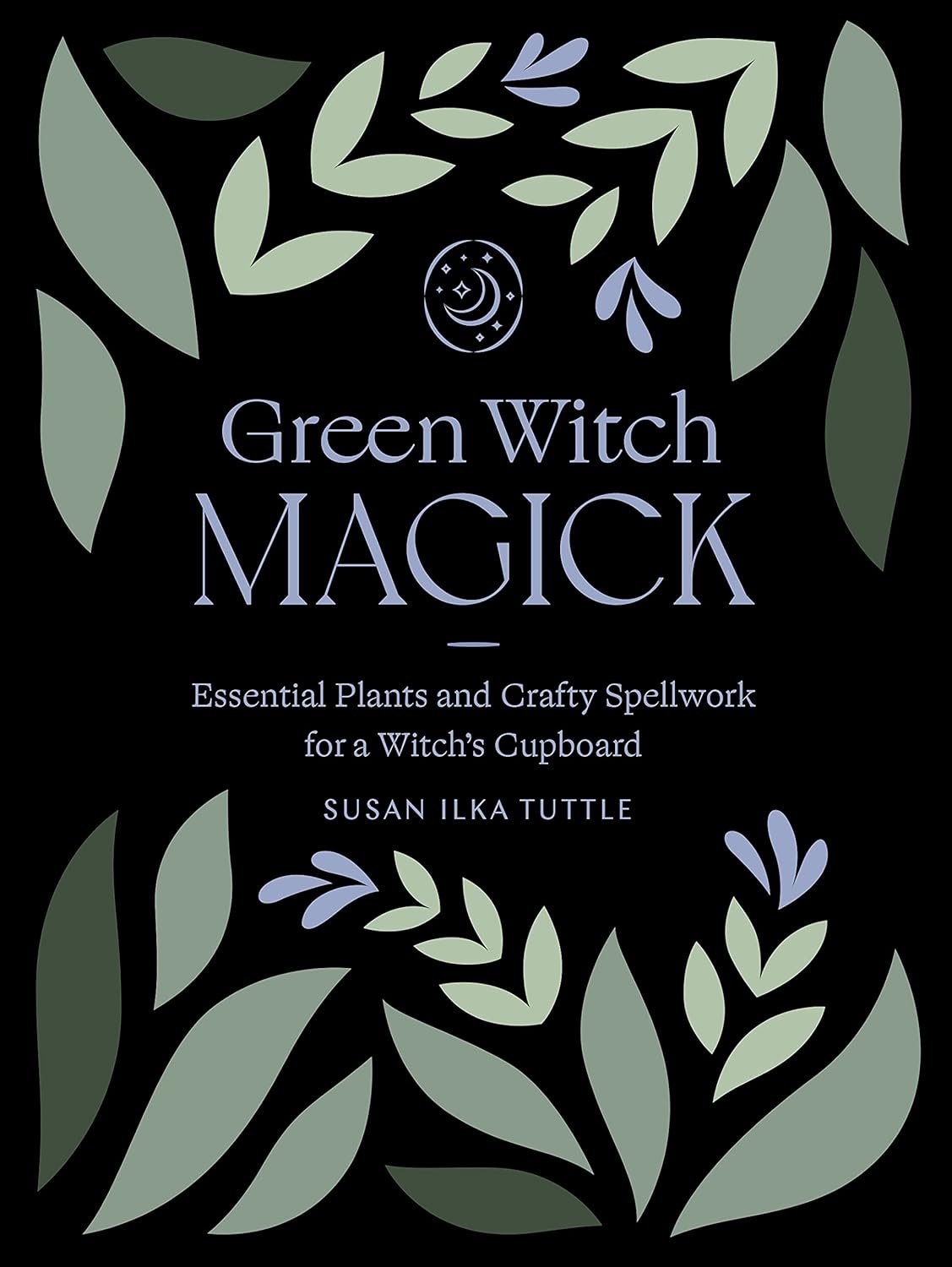
Align with the natural cycles of the earth as you explore the 13 essential plants every green witch must know and have in their garden and cupboard for healing, spellwork, and divination.
Plants are a sacred offering from Mother Earth. And witches have always known and understood their healing and magickal powers. Plants hold sustenance, medicine, and wisdom. They gift us with the essentials we need to live and thrive. In return, they ask to be used for the highest good. This is the path of the green witch. With Green Witch Magick, learn how to reconnect with this sacred knowledge.
Noted green witch and herbalist Susan Ilka Tuttle, creator of the beloved Instagram handle @whisper_in_the_wood, shows you how to forage, grow, and work with the plants integral to your green witchcraft practice.
At the core of green witchery is the responsible stewarding of Mother Earth and her precious resources. Learn how to: Ethically forage and harvest needed plantsSet up your own green witch gardenWork with both wild and cultivated plants in concert with natural cyclesCo-create with plant allies to make natural remedies, recipes and elixirs, and supplies for spellwork In addition to mastering the practical aspects of green witchery, you’ll learn the energetic and magickal properties of plants and how to effectively use them in ritual and spellwork. For example, did you know that plants associated with the moon are connected to sleep, intuition, and lucid dreams while plants connected with the element of Air are connected with psychic powers, intellect, and wisdom?
Reclaim your inherent relationship with the healing magick of nature with Green Witch Magick.
From the Publisher
Align with the natural cycles of the earth as you explore the 13 essential plants every green witch must know and have in their garden and cupboard for healing, spellwork, and divination.

PART I | Witchcraft and the Green Witch’s Path
Witches come from all walks of life, and you probably wouldn’t know if you passed one on the street. The witch community is diverse, and we honor and celebrate diversity. Witches also have much in common: We have a deep connection to the natural world and a desire to serve the greater good, working with magick through spellcasting and rituals.
We’ll begin with an overview of witchcraft basics, sample a variety of spiritual paths that witches take, and examine the evolution of witchcraft. This survey of the Craft provides an important context for better understanding and appreciating the green witch’s path. Next, we take a close look at the path of the green witch, which you may have guessed is largely a nature-based form of witchcraft. We’ll talk about what it means to identify as a modern green witch and explore the types of spiritual practices that many green witches share.

PART II | 13 Essential Plant Allies for the Green Witch’s Cupboard
I’m excited to introduce you to the thirteen essential plants for the witch’s cupboard—safe, healing plant allies we can work with for medicinal, culinary, and magickal purposes. I carefully selected wild plants that grow readily throughout the world and plants that can be easily cultivated in our gardens, grown in a sunny window, or purchased from a local market. I’ve also included plants that are considered both wild and cultivated, such as the rose. I wanted to make sure that all readers have easy and safe access to plants in this book, so some choices are practical but no less beneficial and powerful.
Be sure to do your research to ensure safest use of these plants. Also remember that even though there are traditional magickal associations and correspondences given for each plant, what matters most is how you relate to the spiritual energy of the plants and how they speak to you individually.

PART III | Herbal Remedies, Recipes, and Magickal Workings
Now that we’ve gotten to know (remember) thirteen sacred, essential plants for the witch’s cupboard for their medicinal, culinary, and magickal uses, it’s time to roll up our sleeves and get to the making and the doing. First, to ensure success with the plant-based creations you’ll be crafting in the chapters to come, we’ll talk about some of the basics of gardening, foraging, and herbalism.
As you learn more about bringing herbs into your life and magickal practice, I encourage you to review the plant cautions (page 9) and revisit the detailed descriptions in the plant profiles for the plant or plants that you work with in each project. A field guide specific to your region is a must if you’re doing any foraging. The projects in chapters 7 and 8 will apply your knowledge in an authentic, hands-on way. We’ll make natural remedies, recipes, and magickal creations that can support your health, well-being, and magickal pursuits. Have fun!

What Does It Really Mean to Be a Witch?
A witch identifies as a witch. A witch is in touch with nature and their own personal power, in whatever form that takes—through herbalism, activism, energy work, or psychic work—the possibilities for service are endless. Witches practice magick through things such as spellwork, rituals, divination, incantations, and prayer, all based on ancient practices that were around long before Christianity. In fact, Christianity co-opted many of these practices and based their holidays on the pagan holidays.
Magick is not this lofty, unattainable, supernatural thing. It’s pretty down to earth actually, especially for the green witch. It involves getting in touch with one’s personal power. It’s about working in concert with nature and the Universe to raise, harness, and direct energies to produce positive change. That’s it in a nutshell. I’d like to believe that every human being is interested in that kind of work, on some level, whether or not they identify as a witch.

Foraging Basics
Foraging attracts people who are interested in incorporating wild food into their diets. Wild foods are packed with vitamins and minerals and have higher amounts of nutrients than farmed produce grown in soil that has been depleted over the years by over-farming. Other people are drawn to foraging because they are intrigued by new tastes that they can’t find in the grocery store. It’s free food, and for so many people experiencing food insecurity, this is a way to address that. Foraging makes for a fun treasure hunt, and I’ll admit it is a rather addictive activity.
Many green witches forage for safe, healing plants to be used in culinary recipes and in herbal remedies. They also gather wild plants for their spellwork, rituals, and divination practices, all with the intent to serve and bring about positive change, balance, and harmony.
Herbal Remedies and Recipes

For Relaxing Sleep Laced with Vivid, Prophetic Dreams
Fill your bottle with dried mugwort, lavender, and amethyst crystal. All three work together to provide protection and promote a calm sleep, vivid dreams, and psychic visions. Seal the jar with candle wax, and as long as the seal stays intact, the potency of its magick will remain. Use any rose petals, as long as they are unsprayed and not from a florist. I recommend making this syrup with a neutral honey, such as clover, so the herb flavors come through. If you’re using the syrup in a cocktail, you may wish to go with sugar. It’s all a matter of personal choice and taste.

Vanilla Chocolate Mint Lip Balm
I enjoy making herb-infused lip balms, especially with peppermint, chocolate mint, and orange mint. You can also use peppermint or spearmint for this recipe. The cocoa butter adds its own rich chocolatey layer to the finished balm. Along with a pleasurable sensory experience, mint provides anti-inflammatory properties that soothe, cool, and heal the lips.
I use fractionated coconut oil here, because I like the texture and it does not have an overpowering smell. Some people are sensitive to coconut oil and find it to be drying to their skin, so those folks should pick another oil.

Intentional Tea Blends
The ancient ritual of brewing and enjoying a hot cup of herbal tea soothes the body, heart, and mind. It invites you to slow down, take pause, and be present in the moment as you enjoy its flavor, aroma, and radiating warmth. I love to craft herbal tea blends with plants that I’ve foraged, grown in my garden, harvested, and processed with my own hands . . . plants rooted in the earth, touched by the rays of the sun and moon, bathed in rain, and kissed by the wind. This magick is contained in a single cup of tea.
For peace and calm, try lavender, lemon balm, chamomile, and marshmallow root.
Publisher : FAIR WINDS PRESS
Publication date : November 16, 2021
Language : English
Print length : 192 pages
ISBN-10 : 1589239857
ISBN-13 : 978-1589239852
Item Weight : 1.12 pounds
Dimensions : 6.69 x 0.44 x 8.86 inches
Best Sellers Rank: #1,577,763 in Books (See Top 100 in Books) #462 in Gaia-based Religions #653 in Herb Gardening #2,758 in Witchcraft Religion & Spirituality
Customer Reviews: 4.9 4.9 out of 5 stars 81 ratings var dpAcrHasRegisteredArcLinkClickAction; P.when(‘A’, ‘ready’).execute(function(A) { if (dpAcrHasRegisteredArcLinkClickAction !== true) { dpAcrHasRegisteredArcLinkClickAction = true; A.declarative( ‘acrLink-click-metrics’, ‘click’, { “allowLinkDefault”: true }, function (event) { if (window.ue) { ue.count(“acrLinkClickCount”, (ue.count(“acrLinkClickCount”) || 0) + 1); } } ); } }); P.when(‘A’, ‘cf’).execute(function(A) { A.declarative(‘acrStarsLink-click-metrics’, ‘click’, { “allowLinkDefault” : true }, function(event){ if(window.ue) { ue.count(“acrStarsLinkWithPopoverClickCount”, (ue.count(“acrStarsLinkWithPopoverClickCount”) || 0) + 1); } }); });
Customers say
Customers find the book filled with useful information, particularly appreciating its gardening and foraging tips. Moreover, the book is easy to follow, beautifully organized, and aesthetically pleasing, with one customer noting how the informative text is accompanied by stunning photos. Additionally, they love the recipes, and one review highlights how the author dives into working with plants.